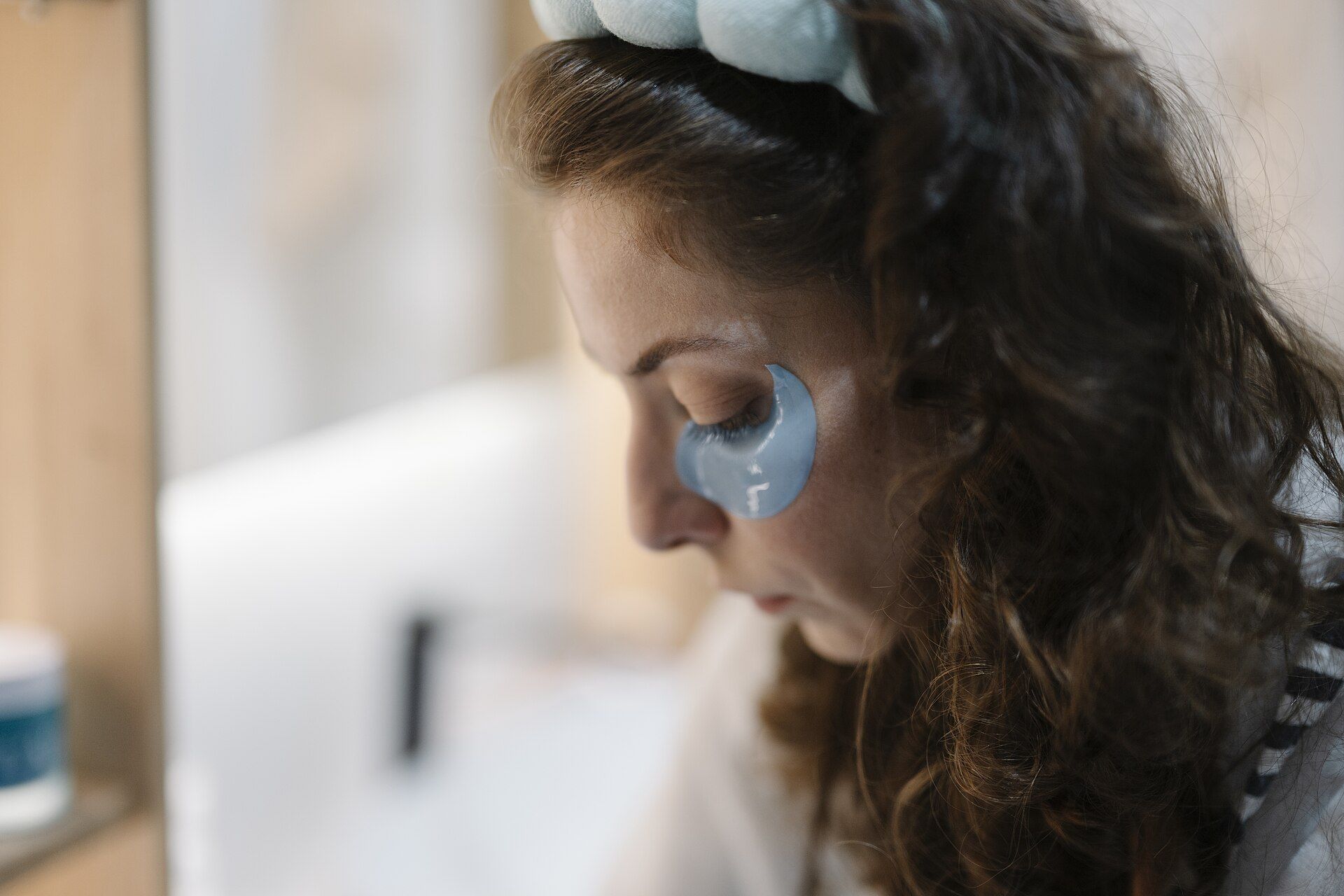
Polynucleotides are injections of highly purified DNA fragments, usually taken from fish, that clinics use to try to improve skin quality, especially the thin skin under the eyes. The research so far is small and short. Studies report some improvement in fine lines and skin texture, with mostly mild side effects, but reviewers describe the evidence as limited and early. This guide is information only: it is not a recommendation to have the treatment, and results vary from person to person.
What are polynucleotides?
Polynucleotides are chains of nucleotides, the building blocks of DNA. The products used in skin clinics are purified DNA fragments. A 2026 study of under-eye injections describes them as “derived from salmon sperm DNA” (Ziade et al, J Cosmet Dermatol 2026). Different brands use different processes and concentrations, so “polynucleotides” is a group of products rather than one thing.
How they might work is still being studied. Reviews suggest they may support tissue repair and the structure around skin cells, partly because similar compounds were first used in wound healing (Lampridou et al, J Cosmet Dermatol 2025). That theory has not been proven in large human trials.
People often group polynucleotides with Profhilo as “skin boosters”, but they are different products. Our guide to what Profhilo is compares the two.
How polynucleotides are used
Polynucleotides are injected into or just under the skin, usually in a course rather than a single session. Protocols in published studies vary:
- three sessions at two-week intervals on the face, neck and chest (Teramo et al, J Cosmet Dermatol 2026)
- three sessions at three-week intervals on the cheeks (Bae et al, J Cosmet Dermatol 2026)
- three injections two to three weeks apart for dark under-eye pigmentation (Amado et al, Clin Cosmet Investig Dermatol 2026)
An expert panel published consensus recommendations in 2021 on techniques, doses and session intervals for the face, eye area, neck, hands, scalp and stretch marks (Cavallini et al, J Cosmet Dermatol 2021). A consensus is expert opinion, not proof that the treatment works.
Some clinics also offer polynucleotides alongside microneedling. We found no good-quality evidence on that combination.
Polynucleotides under the eyes
The under-eye area is the most marketed use. A 2026 systematic review found six studies on polynucleotides around the eyes, with 350 people in total, mostly women in Korean and Thai groups with skin types III to V. It reported short-term improvement in crow’s feet lines, but noted that no study followed people for more than six months, and called the findings “preliminary” (Ahuja et al, Aesthet Surg J Open Forum 2026).
A 2026 review comparing hyaluronic acid filler with polynucleotides for the under-eye area concluded that filler remains better for structural correction, such as hollowness, while polynucleotides showed improvements in measures of skin quality (Khan et al, J Clin Med 2026). In plain terms: polynucleotides are not a substitute for treating a deep hollow, and they are not a quick fix.
What the evidence shows
The honest answer is that the evidence is promising in places but weak overall.
- A 2025 systematic review included nine studies, “of low and moderate quality”, covering 219 patients. The authors said rigorous, high-quality studies are still needed (Lampridou et al, 2025).
- A 2026 systematic review of randomised trials found seven trials with 183 participants across skin rejuvenation, scar prevention and wound healing. The most consistent benefits were in wound healing, not cosmetic use, and the authors flagged small samples and mixed protocols (Alhussain et al, Cureus 2026).
- Many single studies have no comparison group, and several authors work for, or with, companies that make polynucleotide products. That does not make the results wrong, but it is a reason for caution.
If a clinic says polynucleotides are “proven” to reverse ageing or remove dark circles, that claim goes further than the research.
Risks and side effects
In the studies above, side effects were mostly described as mild and short-lived. In one 2026 study of a product combining polynucleotides with another injectable, most people had redness and swelling and some had bruising, and two of 36 developed delayed lumps that settled within eight weeks (Lazzarotto et al, J Cosmet Dermatol 2026). Serious problems are uncommon in the published research, but they do happen. A 2026 case report described a woman who developed abscesses on both sides of her face after polynucleotide injections. She needed drainage and antibiotics, and still had some scarring six months later (Shanshal et al, J Cosmet Dermatol 2026).
Any injection carries a risk of infection, bruising and lumps, and these risks depend heavily on hygiene and the injector’s skill. Get urgent medical help if an injected area becomes increasingly painful, hot, swollen or starts to leak pus, or if you feel unwell. For a new or changing skin problem after treatment that is not urgent, speak to a GP or a pharmacist.
Who can inject polynucleotides in the UK?
At the time of writing, England has no licensing scheme for skin booster injections. A government consultation, open until 13th January 2027, proposes restricting some higher-risk procedures to doctors, dentists and prescribing nurses, midwives and pharmacists, but skin boosters are not named on that proposed list. In Scotland, new law means some higher-risk procedures must be done by, or with, certain healthcare professionals, but offences cannot start before September 2027. Our regulation guide explains the detail.
Because the rules are thin, checking the person is what protects you. The NHS advises checking doctors on the GMC register, nurses on the NMC register, dental professionals on the GDC register, and others on a register accredited by the Professional Standards Authority, such as the JCCP or Save Face (NHS). The NHS also says not to pay until you have had a consultation. Our guide to choosing a skin clinic has a full checklist.
UK prices
Published prices for polynucleotides vary a lot by clinic, area treated and number of syringes. Full prices (not offers), checked 21/11/2026:
- sk:n (national chain): Ameela polynucleotides £275 for one session, £750 for three (sk:n price list).
- PHI Clinic, Harley Street, London: from £400 per session, or from £1,050 for a course of three (PHI Clinic).
- Cosmetic Skin Clinic, London: from £475 per session (Cosmetic Skin Clinic price list).
So a single session at these clinics runs from about £275 to £475, and most clinics suggest a course. Some London clinics were showing Black Friday discounts on 21/11/2026, which we have left out. For other treatment costs, see our UK skin treatment price guide.
Darker and melanin-rich skin
There is very little research on polynucleotides in darker skin. The largest under-eye review covered skin types III to V, mostly in East Asian groups (Ahuja et al, 2026). We found no study focused on skin types V and VI.
That matters because darker skin is more likely to develop post-inflammatory hyperpigmentation, the dark marks that can follow any skin injury or inflammation. The British Association of Dermatologists says this is “more common in darker skin types” (BAD skin of colour). Injection bruising and swelling are a form of skin trauma, so it is reasonable to ask a practitioner:
- How many clients with skin like mine have you treated with this product?
- What would you do if I developed dark marks afterwards?
- Is there a reason this is better for my concern than something else?
If your under-eye darkness is pigment rather than hollowness, it is worth knowing the cause first. Our guide to hyperpigmentation treatment explains the main types.
Questions people ask
Do polynucleotides work?
Small studies report modest improvements in fine lines and skin quality, especially under the eyes, but reviews describe the evidence as low to moderate quality and short-term. Results vary, and nobody can promise a particular outcome.
How long do polynucleotides take to work?
In one 2026 study of under-eye injections, improvements were measured at one, three and six months, with the biggest change at three months (Ziade et al, 2026). Change, where it happens, is gradual.
How long do polynucleotides last?
Nobody knows for sure. The 2026 under-eye review found no study that followed people for more than six months. Clinics often suggest top-up sessions, which is a commercial recommendation rather than a research finding.
Why are there no before and after photos here?
Before and after photos can mislead, because lighting, make-up and angles change, and they show only selected results. The UK advertising regulator also warns against exaggerated claims in cosmetic advertising, including before and after images (ASA). We would rather show you the evidence.
What does “polynucleotides gone wrong” usually mean?
Most reported problems are bruising, swelling or lumps that settle. Rarely, infection can cause abscesses, as in the 2026 case report above. Choosing a registered practitioner, in clean premises, with a clear aftercare plan, reduces risk.
Are polynucleotides worth it?
That depends on your budget, your expectations and what is causing your concern. Given the price and the limited evidence, it is worth getting an independent opinion, and being wary of anyone who pressures you to book a course on the day.
General information from the sources linked on this page, not medical advice. Results vary from person to person. For a new or changing skin problem, see your GP or a pharmacist first.
